

Generating a future for Kilbirnie and Scotland
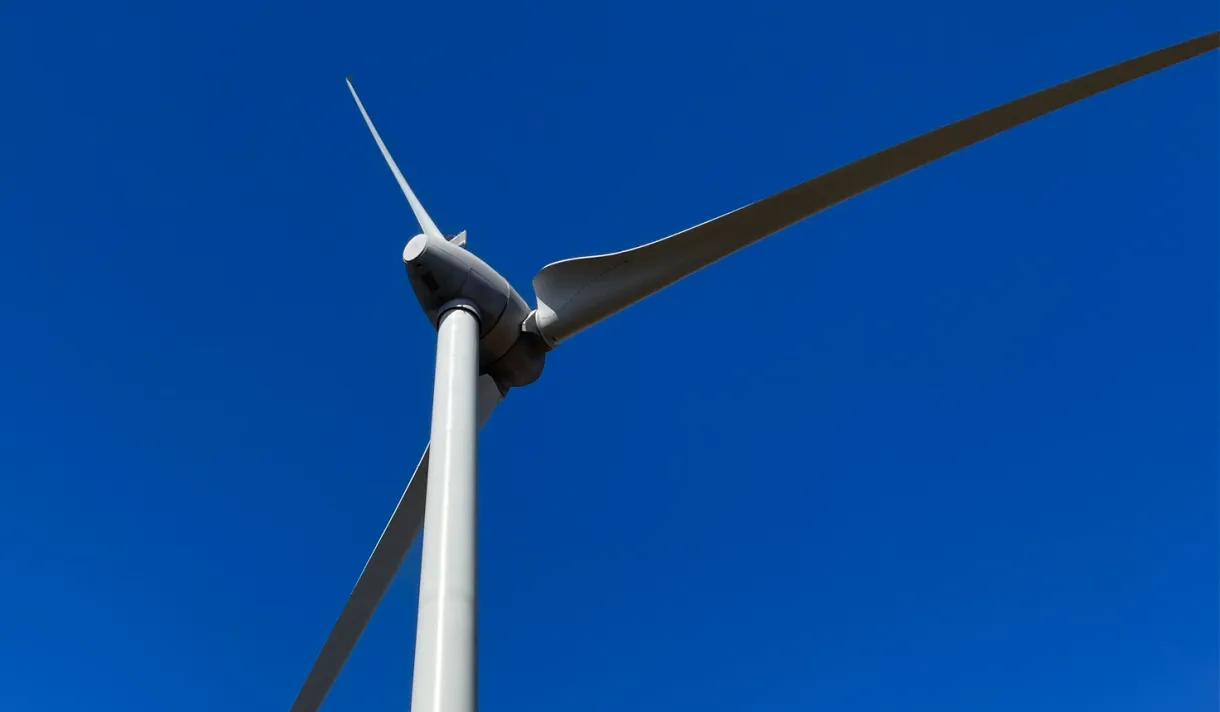
In Kilbirnie, a former industrial town in the Garnock Valley just under an hour south of Glasgow, a single community-owned wind turbine has become something much more than a source of renewable energy. It’s a vision of the future where communities in Scotland have the power to generate electricity and use it to help their community prosper.
For decades, the Garnock Valley has dealt with economic decline, unemployment and poverty characteristic of post-industrial towns in Scotland. The once thriving steel industry in Kilbirnie closed its doors in the 1980’s and left the community in decline.
As things got worse for Kilbirnie, locals saw wind turbines dominating hills in the area, but watched as the direct benefits disappeared into the pockets of energy companies, shareholders and chief executives.
So the community decided to do something different.
The Electric Valley project, led by the Radio City Association, has delivered Scotland’s first entirely self-funded community wind turbine, an unsubsidised renewable energy project built not by a corporation, but by local people determined to take control of their energy and their future.
After switching on in March 2026, the Kilbirnie turbine is generating 2.5MW of clean electricity for sale to the national grid. That will feed more than 7,000MWh of renewable energy into the grid every year. To put that into perspective, that’s enough electricity to power 2,000 Scottish homes.
The revenue generated from the turbine is expected to bring up to £12 million back into Kilbirnie over the 25-year lifetime of the project. All of the profits generated from electricity sales will stay in Kilbirnie to fund employment programmes, training opportunities, improved transport and upgrades to facilities across the city, and even tackling fuel poverty.
Scott Wilson, who works with the Radio City Association, describes the project as a response to years of abandonment.
“This is a left-behind area that’s suffered from an acute lack of investment,” he said. “If we waited for someone to come riding to the rescue, I think we’d be waiting for a long time.”
Community solidarity and collective benefit runs through every part of the Electric Valley project. Unlike many renewable developments dependent on government subsidy or corporate investment, Electric Valley has been built through determination, fundraising and community belief.
At a time when conversations around energy feel full of uncertainty and imposed from above, Kilbirnie is offering a different model. One where renewable energy is not simply extracted from a landscape, but rooted in the people who live there.
The question that remains: why aren’t we replicating this model everywhere? The benefits are obvious. All over Scotland, we’re seeing big corporations get rich from the wind blowing over our houses, towns and cities. It’s time that we follow the innovative thinking that we see in Kilbirnie.
In Kilbirnie, the blades turning above the valley are not just generating electricity. They are generating ownership, solidarity and the possibility of a different future for Scotland.